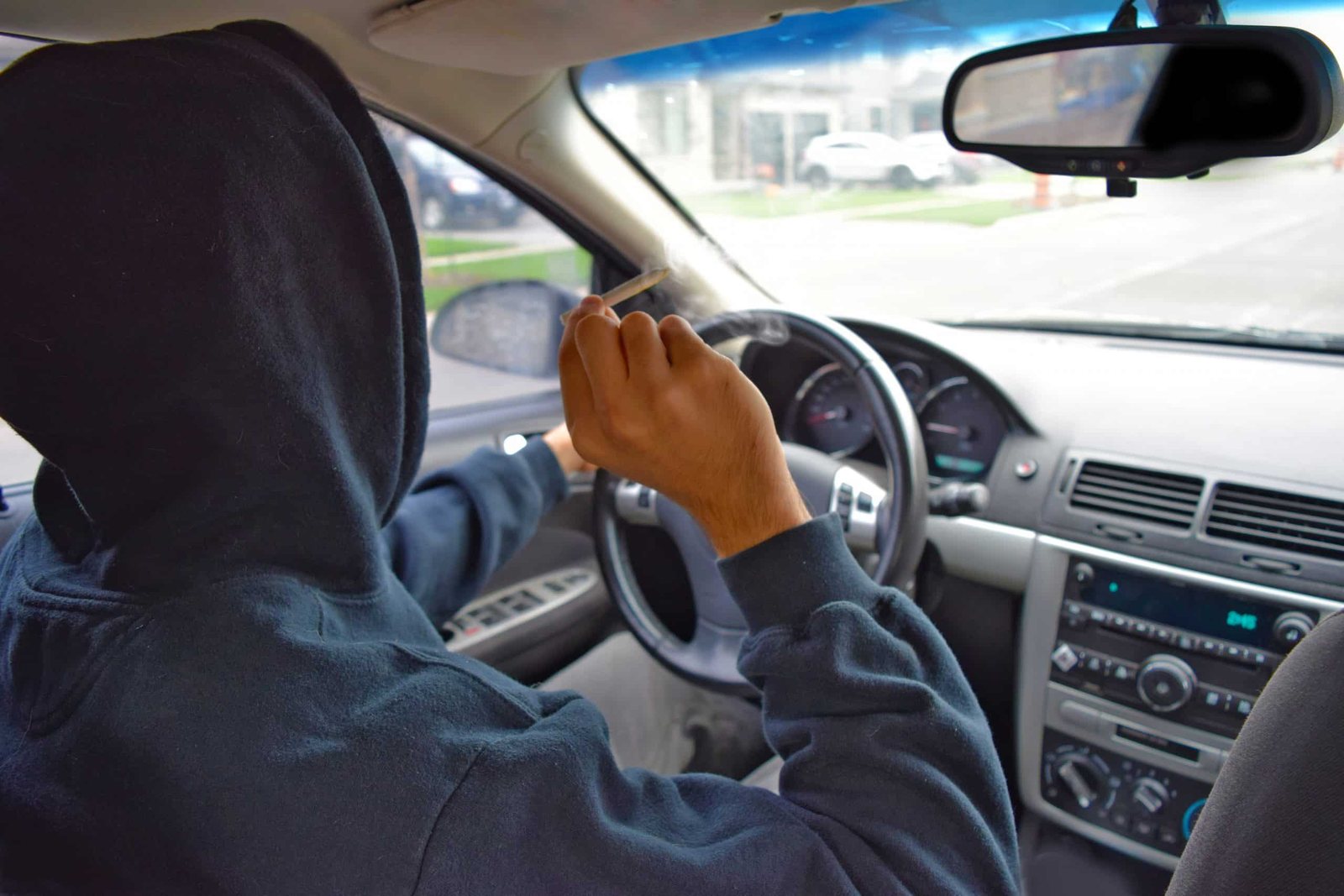
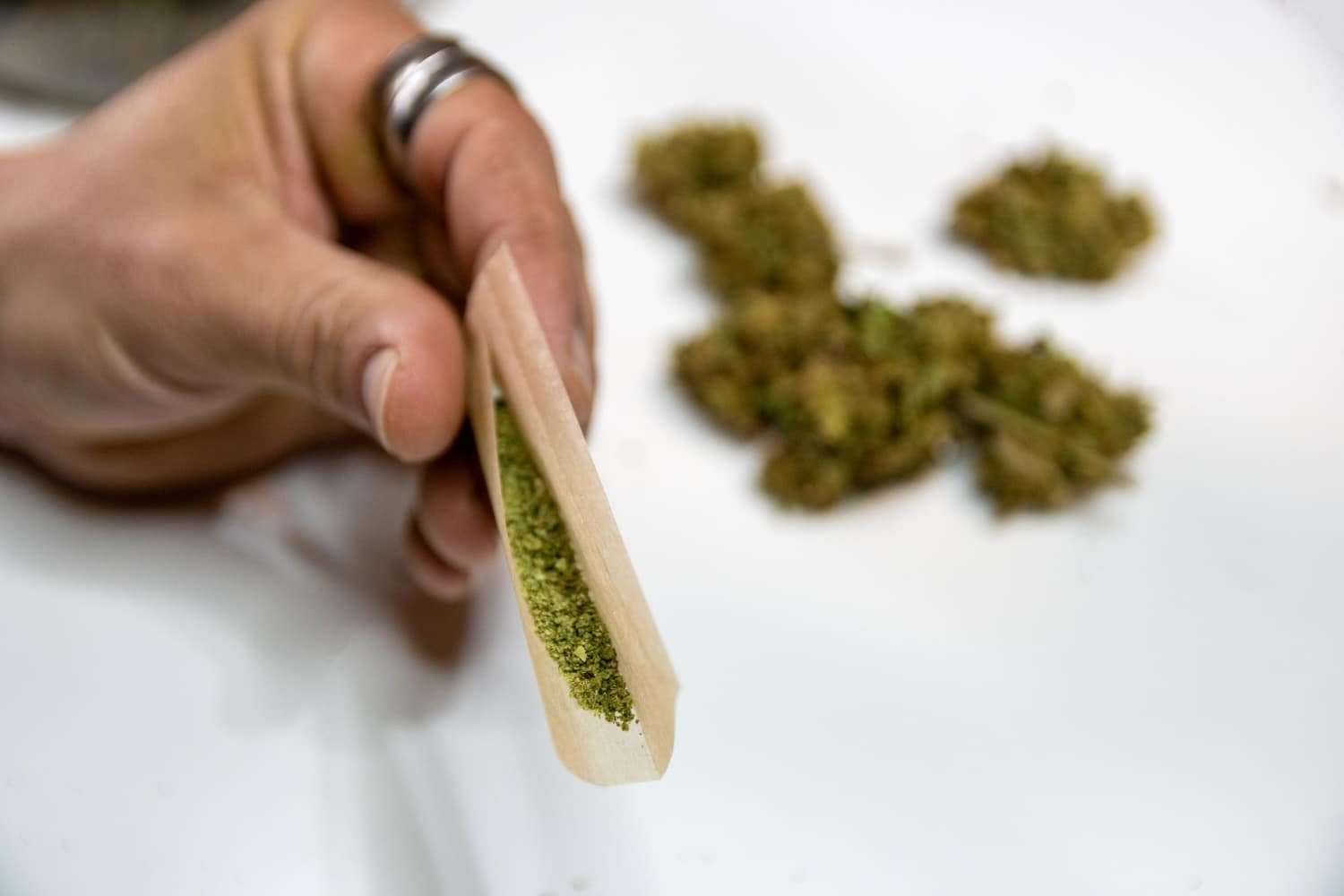
Since the legalization of marijuana in Canada, questions have emerged regarding its safety as a controlled substance. And along with an entirely new set of rules and legal framework comes the most pressing question of all: driving under the influence of cannabis vs alcohol.
Cannabis vs. Alcohol Impairment
As the Federal Government legalized recreational cannabis, the direct comparisons with alcohol were swift and immediate.
Current Studies
While marijuana advocates cite no increase in incidents of impaired driving post-legalization, scientists are figuring out the exact numbers. A recent Canadian study from British Columbia using toxicology results has given more insight into what impact blood intoxication levels have on vehicular accidents. The study examined approximately 3005 toxicology reports from the province and yielded insightful results.
Often, as in the Government of Canada study above, all drugs are grouped together in a single statistic, seemingly inflating the accident rate. This is where language is important, and the differences between substances must be established. Those charged under these evolving laws often turn to an impaired driving lawyer to interpret how current statutes apply to their circumstances.
Effects of Cannabis and Alcohol on Driving
Comparisons between inebriants are unlikely to disappear. The effects are similar, but different at the same time. It is undeniable that cannabis greatly affects driving skills like reaction time and focus, and alcohol consumption also leads to overconfidence.
Lack of Comprehensive Comparative Studies
While organizations such as CAA are rushing out to clear the smoke on the issue, there currently exists no comprehensive study that accurately breaks down the specific psychological risks between cannabis and alcohol. Despite this, the facts appear to dictate that:
- Cannabis is responsible for far fewer automobile accidents than alcohol
- Rate of cannabis DUIs has seen no significant increase since legalization
- Direct comparisons for the purpose of awareness can be alarmist and inconclusive
As it stands, Canadians – from individuals to private organizations – are still trying to feel their way through how legalized cannabis will fit into the everyday legal structure. If you are confused about your case, contact a Toronto DUI lawyer for a free case assessment.
Conclusion
While we can expect further studies in the future, most likely with a much easier system to employ regular users, we can see with the data we have that marijuana impairment does not pose as much of an immediate risk to auto safety as alcohol.

Jonathan Lapid — DUI & Impaired Driving Lawyer
Licensed by the Law Society of Ontario with more than 25 years defending drinking-and-driving charges in Toronto and GTA courts. Interviewed by Maclean’s and Global News on impaired-driving law.